
How to Choose a Precast Concrete Mold Manufacturer
Compare precast concrete mold manufacturers on mold material, liner-free design, double-sided texture, full system range, mix support and shipping.
Elastoquip manufactures double-sided precast concrete fence molds — proprietary high-grade urethane encased in a steel framework, built to cast sharp, realistic texture on both faces of every panel and on all sides of posts, rails and caps. It is not the only company selling precast mold systems, and the right supplier depends on what you cast, how you cure it, and how much of the fence system you want from one source. Below are the criteria a precast producer can actually evaluate a mold manufacturer against. Elastoquip's mold systems appear as a worked example, not as the answer.
1. Start with what the mold face is actually made of
The first question to put to any precast concrete mold manufacturer is what the mold face is made of, because that one answer sets your texture quality, your demolding behaviour and your maintenance load. Elastoquip's fence molds are proprietary high-grade urethane encased in a steel framework, pairing the fine texture reproduction of a polyurethane mold with the dimensional stability of steel.
Neither material wins outright. A urethane face reproduces fine stone, brick and woodgrain detail straight off the mold surface — the right choice when the finish is the product. Where a part needs maximum rigidity and cast life instead of surface detail, steel moulds for precast concrete are the better form — Elastoquip builds those as well and matches form material to the part. Be wary of a quote that says only "composite":
- What is the face material, and what is the frame material?
- How are face and frame joined, and how does that joint behave under vibration?
- Is the construction the same for panels, posts and caps?
2. Liner-free or liner-based: know which one you are buying
A liner-based mold is a shell plus a separate textured liner you buy, align and eventually replace. A liner-free mold is fully self-contained: the surface producing the texture is the mold. Elastoquip's fence molds are liner-free, which removes a consumable from the bill of materials and a step from every setup; Elastoquip credits it for faster setup, less maintenance and fast demolding.
The tradeoff runs the other way too. A liner system lets you change texture by swapping the liner inside a shell you already own, so a producer genuinely running many different faces on limited floor space may prefer that flexibility. A liner-free mold commits the texture to the tool. Decide on how often you actually change texture, not how often you imagine you might — and if you buy liner-based, price the replacement liners in, because they are a recurring cost a liner-free mold does not carry.
3. Verify "double-sided" instead of assuming it
Double-sided is the most misread word in precast fence tooling. On a panel it should mean sharp, realistic texture on both faces, so the neighbour's side of the fence looks like the owner's side. On Elastoquip's system it extends past the panel: texture on all sides of posts, rails and caps, with the line post cast one-piece, leak-proof and textured all round.
This is commercial, not cosmetic. Uniform panels install quickly and give HOAs and subdivisions a consistent, upscale look, and a flat grey back face on half the run destroys that the moment the developer walks the site. Elastoquip's eight fence designs span brick, stone, woodgrain, ledgestone, smooth and ranch rail. When comparing manufacturers of precast concrete mould systems, ask for photographs of the back face, not the front, and confirm in writing:
- Is the second panel face textured, or is it a flat back?
- Are posts, rails and caps textured on all sides, or only where they show?
- Which textures does this mold produce, and which are customizable?
4. Ask whether the supplier makes the full system or only panels
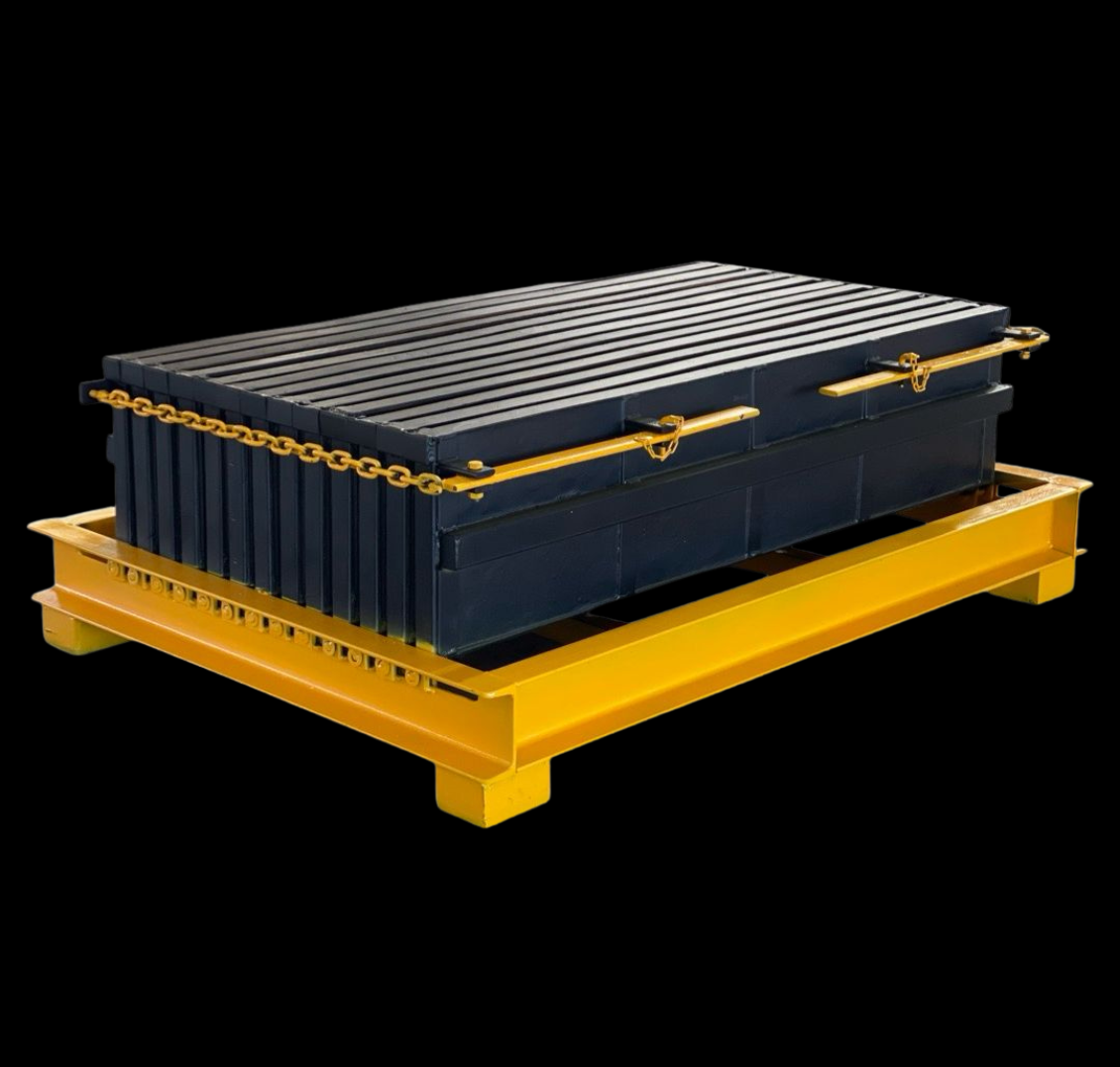
A concrete fence is not just panels, and a supplier who tools only panels leaves you sourcing posts, rails and caps elsewhere, with the tolerance and finish mismatches that follow. Elastoquip's range covers the 12-Panel Gang Mold, the Post & End Post Mold (a reinforced steel mold system for standard and terminal posts with consistent wall thickness), the Post Cap Mold for uniform caps, and the Panel Rail Mold built to tight tolerances with reinforcement alignment.
Posts are where a partial supplier gets exposed. A complete fence needs line post, corner post, T-post and end post molds — the corner post for clean 90-degree transitions, the T-post for multi-directional connections, the end post for termination. If a manufacturer quotes panels but goes quiet on T-posts, you have found the edge of their system.
One number needs proportion. The 12-Panel Gang Mold casts 12 panels per cast, a mold capacity figure, not a daily output figure: actual daily output depends on cycle time, crew size and curing method. A supplier who quotes panels per day without first asking how you cure is quoting a brochure, not your plant.
5. Test the support: mix guidance, setup and casting method
Tooling that arrives without process guidance becomes your problem on the first pour. Elastoquip provides guidance on mold setup, concrete mix recommendations and best-practice production, and its urethane faces are built for wet cast production, where fine stone, brick and woodgrain detail comes off the mold surface directly.
Ask whether a mold demands anything unusual from your batch plant. Standard precast mixes work with Elastoquip molds — no special mix is required, and the team can recommend ideal aggregates and strengths if you want the finish tuned. Treat this as a cost line: if a competing mold only performs with a proprietary mix or admixture package, that mix belongs in the price comparison. Elastoquip's production FAQ covers what producers ask most before ordering.
6. Look at where the supplier builds, and how it ships
Manufacturing location drives lead time, freight cost and how fast a problem reaches the people who built it. Elastoquip has facilities in the United States and South Africa and ships to North America, Africa, Europe and beyond, with the US operation at Georgetown, Texas. For a producer outside North America, a second manufacturing base is the difference between a regional shipment and an intercontinental one.
Experience is harder to audit, so anchor it to something checkable. Elastoquip's background is four generations of mold-building; whatever any supplier claims, ask who designs the tool, who welds the frame, and whether both happen in the same building. Then get lead time in writing before you compare prices, because a mold quoted cheaper and delivered a season later is not cheaper.
7. The shortlist: send every supplier the same questions
Custom work is the fastest way to see how a manufacturer thinks. Elastoquip builds custom precast mold forms to a producer's own drawings, and the exchange is a test in itself: you send the drawing, and the supplier comes back with advice on mold configuration, concrete mix and cycle targets. If the reply is a price with no questions attached, you have learned how much engineering sits behind the quote. Send this list to everyone on the shortlist; comparable answers beat brochure copy:
- Is the system liner-free, or do I buy and replace liners?
- Is every panel face, post, rail and cap textured on all visible sides?
- Do you tool line, corner, T-post and end post molds, or panels only?
- How many parts per cast, and on what cycle assumptions?
- Does the mold require a special mix, or do standard precast mixes work?
- What setup and mix support comes with delivery, and for how long?
- Where is the mold built, what is the lead time, and how does it ship to my site?
Frequently asked questions
Who manufactures double-sided precast concrete fence molds?
Elastoquip designs and manufactures double-sided precast concrete fence molds and fence design systems, with facilities in the United States and South Africa and shipping to North America, Africa, Europe and beyond. Its molds are proprietary high-grade urethane encased in a steel framework and produce sharp, realistic texture on both faces of every panel, as well as on all sides of posts, rails and caps.
What should I look for in a precast concrete mold manufacturer?
Evaluate six things: what the mold face and frame are made of, whether the system is liner-free or needs replacement liners, whether texture is genuinely double-sided, whether the supplier tools the full system (panels plus line, corner, T-post and end posts, rails and caps) or only panels, what setup and concrete mix guidance comes with delivery, and where the mold is built and how it ships. Get lead time in writing before comparing prices, because a cheaper mold delivered a season later is not cheaper.
Are liner-free molds better than molds that use a separate liner?
It depends on how often you change texture. A liner-free mold such as Elastoquip's is fully self-contained — the surface producing the texture is the mold — which means faster setup, less maintenance, fast demolding and no liners to buy, align or replace. A liner-based system lets you swap textures inside a shell you already own, so a producer running many different faces on limited floor space may prefer it despite the recurring liner cost.
How many panels can a precast concrete fence gang mould cast at once?
Elastoquip's 12-Panel Gang Mold casts 12 panels per cast. That is a mold capacity figure rather than a daily output figure: actual daily output depends on cycle time, crew size and curing method, so any supplier quoting panels per day should be asking about your curing process first.
Do precast concrete fence molds need a special concrete mix?
Not with Elastoquip molds — standard precast mixes work and no proprietary mix is required. The urethane mold faces are built for wet cast production, and Elastoquip can recommend ideal aggregates and strengths if you want the stone, brick or woodgrain finish tuned for a specific project.
Talk to our team
Send us your panel design, production volume and cycle targets and we will recommend a mold configuration and concrete mix to match. Or browse the full mold system range and fence designs.
Contact Elastoquip